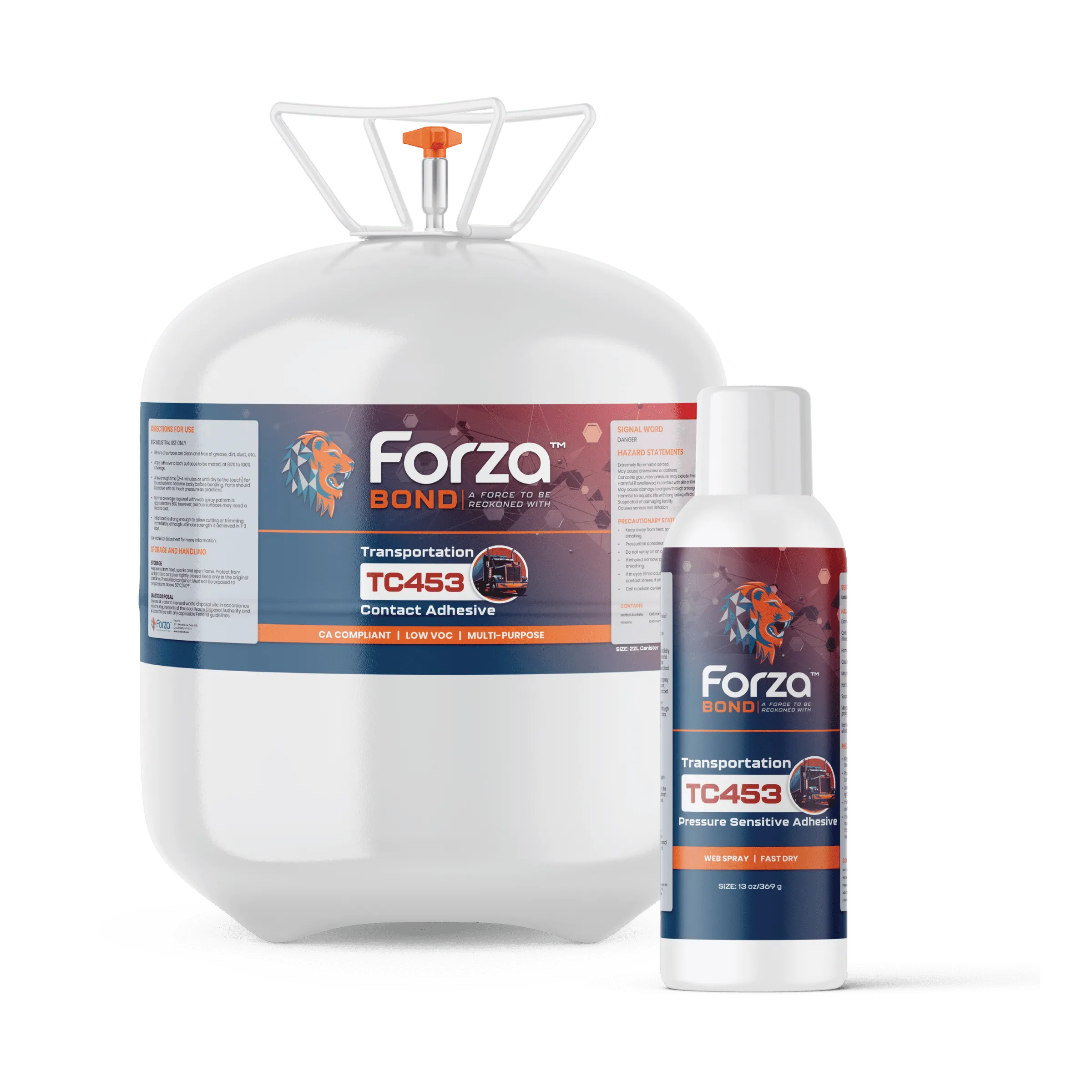
Staying compliant with industry regulations is essential for any manufacturing operation. This guide covers the latest regulatory changes and their impact on adhesive applications.
Key Takeaways
- • EPA Phase-Out: Methylene chloride is being phased out due to health risks
- • Regulatory Compliance: Understanding new requirements is essential
- • Alternative Solutions: Finding compliant adhesive options
Regulatory Overview
Understanding current regulatory requirements is essential for maintaining compliance and avoiding potential legal issues in adhesive applications.
Regulatory considerations include:
- Environmental protection standards
- Worker safety requirements
- Product performance standards
- Documentation and reporting requirements
Compliance Requirements
Meeting compliance requirements involves implementing specific procedures and controls to ensure adherence to relevant regulations and standards.
Compliance elements include:
- Safety data sheet management
- Employee training programs
- Environmental monitoring
- Record keeping and reporting
Impact Assessment
Impact assessment helps understand the implications of regulatory changes and plan appropriate responses.
Assessment areas include:
- Operational impact analysis
- Cost implications evaluation
- Compliance timeline planning
- Risk mitigation strategies
Implementation Timeline
Implementation timeline planning ensures smooth transition to new regulatory requirements and compliance standards.
Timeline elements include:
- Assessment and planning phase
- System modification requirements
- Training and qualification needs
- Verification and validation procedures
Documentation Needs
Proper documentation ensures compliance with regulatory requirements and provides evidence of due diligence.
Documentation requirements include:
- Safety data sheet management
- Training records and certifications
- Environmental monitoring data
- Incident reporting procedures
Compliance Checklist
A comprehensive compliance checklist helps ensure all regulatory requirements are met and maintained.
Checklist items include:
- Regulatory requirement review
- Implementation status verification
- Documentation completeness check
- Ongoing monitoring procedures
Conclusion
Understanding and implementing proper techniques for epa is phasing out methylene chloride in industrial adhesives: what you need to know and do is essential for achieving optimal results in industrial applications. By following the guidelines and best practices outlined in this article, you can ensure consistent, reliable performance and maximize the benefits of modern adhesive solutions.
Recent Posts

Mastering Application: Best Practices for Using Contact Adhesives in Manufacturing
Jan 14, 2024
Strength and Durability Unveiled: Analyzing Contact Adhesives in Industrial Applications
Jan 9, 2024
Comparative Analysis: How Contact Adhesives Stand Up Against Traditional Glues in Weather Resistance
Jan 4, 2024
Unveiling the Potential: Advanced Projects You Can Tackle with Contact Adhesives
Dec 19, 2023
The Critical Role of Contact Adhesives in Industrial Success
Dec 14, 2023
BLOGS BY MONTH
Stay Updated
Get the latest insights, tips, and industry news delivered to your inbox.