What Is the Best Contact Adhesive for Bad Weather?
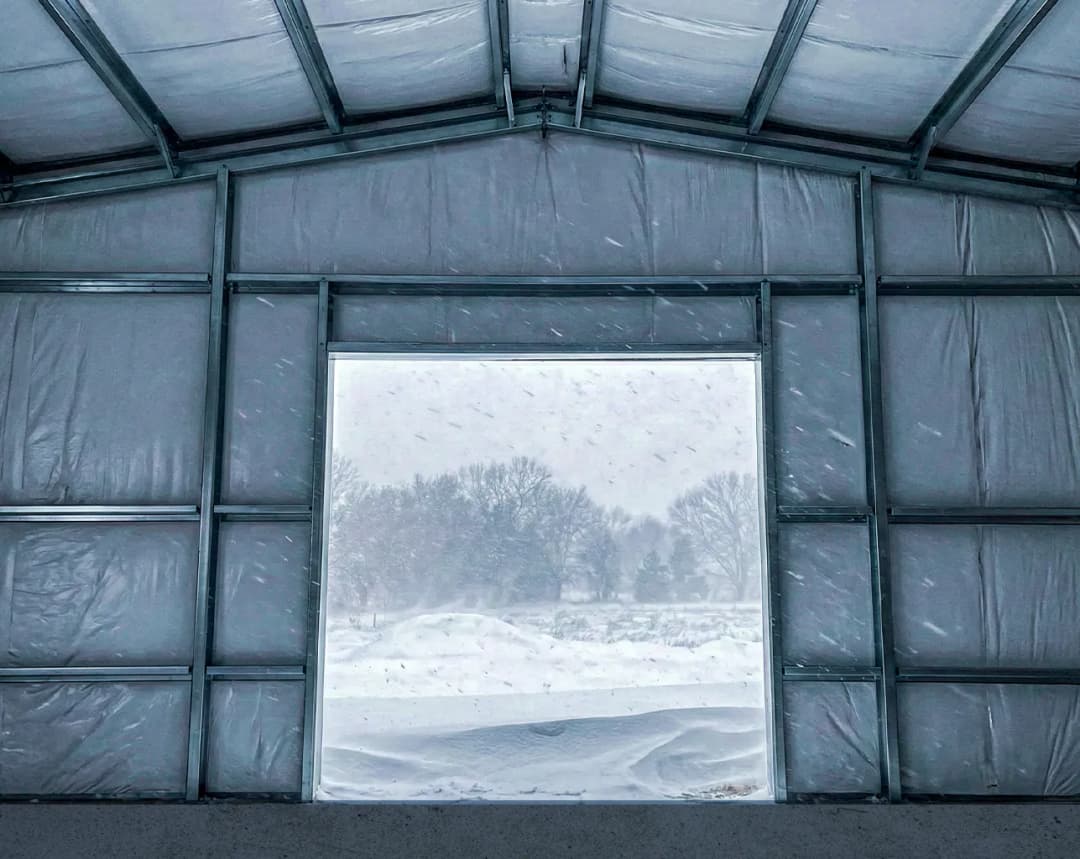
Key Takeaways
- No universal best: The right contact adhesive depends on your environment, substrates, and performance requirements—not a single spec winner.
- Weather limits: Contact adhesives are water-resistant, not waterproof, and are not designed for continuous outdoor exposure.
- Demanding exposure: For continuous outdoor, structural, or long-term UV needs, epoxy, polyurethane, or MS polymers often outperform contact adhesives.
If you’re searching for the best contact adhesive for bad weather, the honest answer is:
It depends on the environment and the demands of your application.
There are several high-performing contact adhesives that handle moisture, temperature swings, and real-world conditions better than most, such as:
But no contact adhesive is universally “best,” and more importantly:
No contact adhesive is designed for continuous outdoor exposure.
They are water-resistant, not waterproof, and perform best in controlled or semi-exposed environments.
What “Bad Weather” Really Means
Before choosing an adhesive, it’s important to define what you’re asking it to withstand. “Bad weather” can include:
- Humidity and intermittent moisture
- Temperature fluctuations
- Occasional outdoor exposure
- Limited UV exposure
Contact adhesives can perform well in these conditions. However, if your application involves constant rain, standing water, or long-term UV exposure, you may need a different adhesive chemistry entirely.
Where Contact Adhesives Perform Well
Contact adhesives are often chosen for environments with moderate exposure because of their unique combination of properties.
Flexibility is one of their biggest advantages. Because they are typically rubber-based, they can expand and contract with temperature changes and absorb vibration without losing adhesion.
They also offer fast bonding, with quick tack and no need for clamping, making them ideal for production environments or field applications.
In addition, many formulations provide good moisture resistance, allowing them to hold up in humid conditions or occasional exposure to water.
This makes them a strong choice for:
- Interior applications with environmental variation
- Covered outdoor areas
- Assemblies exposed to occasional moisture
Where Contact Adhesives Fall Short
Despite their strengths, contact adhesives have clear limitations in harsh weather.
They are not waterproof. Prolonged exposure to water can degrade the bond over time.
They are also vulnerable to UV exposure, which can break down the adhesive with continuous sunlight.
Extreme temperatures can also impact performance—high heat can soften the bond, while very low temperatures can reduce flexibility.
Because of this, contact adhesives are generally not recommended for permanent outdoor use.
When Another Adhesive Is the Better Choice
In many cases, the better question isn’t “which contact adhesive is best,” but rather:
Is a contact adhesive the right category at all?
For more demanding environments, other adhesive chemistries often outperform contact adhesives.
Epoxy adhesives are a strong option when maximum strength and waterproofing are required. They form rigid, durable bonds that perform well in harsh environments, but they lack flexibility.
Polyurethane adhesives offer a balance of flexibility and true waterproofing, making them well suited for long-term outdoor exposure.
MS polymers (hybrid polymers) are often one of the best all-around solutions. They combine flexibility, weather resistance, and durability, and are designed to perform in outdoor conditions over time.
If your application involves:
- Continuous outdoor exposure
- Structural loads
- Long-term UV exposure
- Waterproofing requirements
These adhesive types are often a better fit than contact adhesives.
So, What Is the “Best” Contact Adhesive?
If your application is suited for a contact adhesive, meaning it involves moderate environmental exposure, flexibility, and fast assembly, then products like IC932, IC933, IC946, 81-0389, and C130 are among the best options available.
Each offers strong bonding, good moisture resistance, and performance across a range of substrates and conditions.
But the real takeaway is this:
The best contact adhesive is the one that matches your specific environment, materials, and performance requirements—not just the one with the highest specs.
Final Thought
Contact adhesives are excellent for many applications, especially where speed, flexibility, and moderate weather resistance are required.
However, they are not a one-size-fits-all solution for outdoor environments.
Every application is different, and the wrong adhesive choice can lead to failure in the field.
Reach out to Forza today to speak with our team and get a recommendation tailored to your materials, environment, and performance needs.
FAQs
What is the best contact adhesive for bad weather?
There is no single best contact adhesive for all bad-weather situations. The right choice depends on your environment, substrates, and performance requirements. Products such as IC932, IC933, IC946, 81-0389, and C130 are strong options when a contact adhesive is appropriate—but the best product is always the one matched to your specific application.
Are contact adhesives waterproof or safe for continuous outdoor exposure?
No. Contact adhesives are generally water-resistant, not waterproof, and are not designed for continuous outdoor exposure. Prolonged water or long-term UV can degrade the bond. For permanent outdoor use, standing water, or harsh exposure, other chemistries (such as polyurethane, epoxy, or MS polymers) are often more suitable.
Where do contact adhesives perform well in challenging conditions?
They excel in moderate exposure: humidity, intermittent moisture, temperature swings, occasional outdoor use, and limited UV—especially where flexibility, fast tack, and clamp-free assembly matter. Typical fits include interior spaces with environmental variation, covered outdoor areas, and assemblies that see only occasional moisture.
When should I choose something other than a contact adhesive?
Consider epoxy, polyurethane, or MS polymer systems when you need continuous outdoor exposure, long-term UV resistance, true waterproofing, or structural loads that exceed what contact adhesives are designed for. Contact adhesives trade maximum weatherproofing for speed, flexibility, and ease of use in semi-controlled environments.
How do epoxy, polyurethane, and MS polymers compare for harsh weather?
Epoxies offer high strength and waterproofing but less flexibility. Polyurethanes balance flexibility with waterproofing and suit many long-term outdoor applications. MS (hybrid) polymers often combine flexibility, weather resistance, and durability for demanding exterior conditions. The right choice still depends on substrates, movement in the joint, and regulatory or process constraints.
Related Articles
View All
Recent Posts

Need Expert Advice
Our engineering team is ready to help you find the perfect adhesive solution for your application.
Contact an EngineerRecent News & Articles
Elevate Your Performance

Join Our Newsletter
Early access to new product launches and innovations
Exclusive industry insights and technical solutions
Expert tips and best practices for your applications
Follow Our LinkedIn
Stay informed with the latest industry insights & trends
Discover our latest product launches and innovations
Get expert tips and best practices for your applications