Strength and Durability Unveiled: Analyzing Contact Adhesives in Industrial Applications
<h1>Strength and Durability Unveiled: Analyzing Contact Adhesives in Industrial Applications</h1>
Key Takeaways
- Chemical Composition: The blend of polymers, resins, and solvents in contact adhesives is key for optimal bonding strength.
- Surface Compatibility: Ensuring compatibility and proper preparation of surfaces enhances the bond’s strength.
- Environmental Resilience: Contact adhesives are formulated to withstand harsh conditions, maintaining their strength against temperature, moisture, and chemical exposure.
- Application Precision: Proper application, including the amount used and adherence to curing times, significantly influences bond strength.
- Durability Factors: Advancements in adhesive technology focus on long-term performance, including resistance to UV, extreme temperatures, and environmental wear.
- Quality Assurance: Rigorous testing ensures the reliability and consistency of contact adhesives in industrial applications.
Introduction: The Significance of Adhesive Performance in Industry
In the realm of industrial manufacturing, the success of an adhesive isn’t just gauged by its bonding capability, but also by its long-term strength and resilience. Contact adhesives, renowned across various industries for their robust nature, are often the go-to choice for their enduring bonding quality. This exploration outlines the various factors that contribute to the strength and durability of contact adhesives, offering an in-depth view of their performance under diverse industrial conditions. By understanding these dynamics, we aim to provide valuable insights into selecting the ideal adhesive for enduring applications, ensuring consistent reliability and efficiency in industrial projects.
Key Factors Influencing Adhesive Strength:
Several critical elements come into play when determining the strength of a contact adhesive:
- Chemical Composition: The mix of polymers, resins, and solvents in an adhesive’s formula greatly influences its bonding power. Tailoring this composition to suit specific materials and conditions can significantly enhance its capacity to maintain a strong bond under various stresses.
- Surface Compatibility: The interaction between the adhesive and the surfaces it bonds is vital. Different materials, with their unique textures and properties, can impact the strength of the bond. Thorough surface preparation, as previously discussed, is a vital step in ensuring optimal adhesive performance.
- Environmental Resilience: External factors like temperature fluctuations, humidity, and exposure to chemicals or UV light can impact the adhesive’s efficacy. Formulations designed to withstand such conditions are key to maintaining bond strength in challenging environments.
- Application Precision: The manner in which the adhesive is applied—the quantity used, uniformity of application, and adherence to curing times—plays a significant role in the eventual strength of the bond. Precision and care in application are necessary to harness the adhesive’s full strength.
Durability and Long-Term Performance:
For applications where long-term durability is key, understanding how contact adhesives withstand aging, wear, and continuous stress is important. Technological advancements have led to adhesives that resist these factors more effectively, ensuring longer-lasting bonds. For example, UV-resistant adhesives retain their strength despite prolonged sun exposure, while temperature-resistant variants can endure extreme climates without degradation.
Moisture and chemical resistance are also pivotal in ensuring adhesive longevity, especially in sectors like marine, automotive, and construction where harsh conditions are prevalent. These specially formulated adhesives remain robust in the face of environmental challenges, sustaining their bond over time.
Testing and Assurance of Quality:
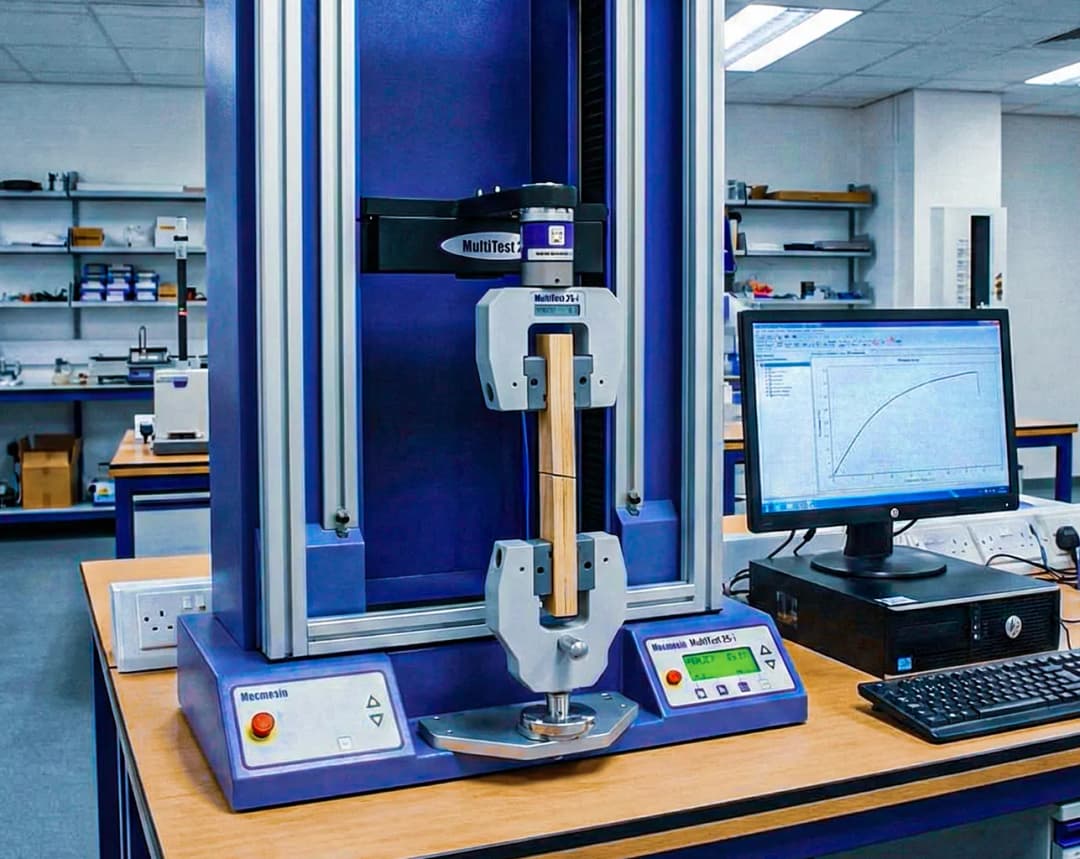
To guarantee the strength and durability of contact adhesives, rigorous testing and quality control are indispensable. These tests often include evaluations of tensile strength, shear resistance, peel endurance, and environmental aging. These assessments are important in determining the adhesive’s capacity to bear loads, resist separation, and maintain performance over time under varied conditions.
Quality control ensures the consistency and dependability of adhesive products. This encompasses regular monitoring of production processes, adherence to industry standards, and ongoing research to refine adhesive formulations. Through committed testing and quality assurance, contact adhesive manufacturers can supply products that consistently meet the demanding requirements of industrial applications.
Conclusion:
Understanding the factors that contribute to the strength and durability of contact adhesives is key to choosing the right adhesive for specific industrial applications. Selecting an adhesive that bonds strongly and endures over time is vital in industries where reliability and efficiency are of utmost importance. The right choice of adhesive can be a defining factor in the success and longevity of a project.
Call to Action:
At Forza, we recognize the importance of adhesive strength and durability in industrial contexts. Our selection of contact adhesives is crafted to meet the highest standards of performance, ensuring your projects stand the test of time. Whether you’re tackling extreme environments or challenging materials, our team is prepared to supply you with adhesives that excel in strength and endurance. Contact us to discover the ideal adhesive solution for your industrial requirements, supported by our dedication to quality and expertise.
FAQs
1. What factors determine the strength of a contact adhesive?
The strength of a contact adhesive is influenced by several key factors. Firstly, the chemical composition, including the polymers, resins, and solvents used, directly impacts bonding strength, with different compositions suited for various materials and environments. Secondly, surface compatibility is important; the adhesive’s effectiveness varies depending on the textures, porosities, and chemical properties of the surfaces being bonded. Proper surface preparation is the keyl for optimizing bond strength. Lastly, environmental conditions like temperature, humidity, and exposure to chemicals or UV light can significantly affect the adhesive’s performance. Some adhesives are specifically formulated to withstand these extreme conditions without losing their strength.
2. How do contact adhesives perform over time, especially in terms of longevity and durability?
Understanding the long-term performance of contact adhesives is paramount for applications requiring lasting reliability. Over time, factors such as aging, wear, and continuous stress can impact the adhesive’s durability. Advances in technology have led to formulations that resist these factors, ensuring long-lasting bonds. For example, UV-resistant adhesives maintain strength despite prolonged sunlight exposure, and temperature-resistant adhesives endure extreme heat or cold. Additionally, the adhesive’s resistance to moisture and chemicals is vital, especially in industries like marine, automotive, and construction, where adhesives face harsh conditions.
3. What types of testing and quality assurance are involved in ensuring the strength and durability of contact adhesives?
To ensure the strength and durability of contact adhesives, rigorous testing, and quality assurance processes are vital. These tests typically assess the adhesive under various conditions to simulate real-world applications, including tensile strength testing, shear strength testing, peel testing, and environmental aging tests. These assessments are important for determining the adhesive’s load-bearing capacity, resistance to separation, and its ability to maintain performance over different environmental conditions. Quality assurance is equally important, involving regular monitoring of the manufacturing process, adherence to industry standards, and ongoing research and development. This commitment to testing and quality assurance allows manufacturers to provide reliable, high-performance adhesive products for industrial applications.
4. Why is the selection of the right contact adhesive critical in industrial projects?
Choosing the right contact adhesive is vital in industrial applications due to its impact on the overall success of a project. The strength and durability of the adhesive determine whether a bond will be strong at the outset and endure over time, especially in demanding environments. In the industrial landscape, where reliability and efficiency are key, the correct adhesive choice can significantly influence project outcomes. Selecting an adhesive that aligns with the specific needs of the application, considering factors like material compatibility and environmental conditions ensures the creation of durable, effective bonds.
5. How does Forza assist in selecting and applying contact adhesives for industrial applications?
Forza recognizes the importance of adhesive strength and durability in industrial applications and offers a range of contact adhesives designed to meet high-performance standards. They provide expert assistance in selecting the right adhesive for challenging environments or demanding materials. Their commitment to quality ensures that the adhesives they offer are not just effective but also reliable for long-term applications. Forza’s team is ready to provide solutions backed by their expertise and dedication to quality, helping clients find the perfect adhesive solution for their industrial needs.
Related Articles
View All

Recent Posts



Need Expert Advice
Our engineering team is ready to help you find the perfect adhesive solution for your application.
Contact an EngineerRecent News & Articles
Elevate Your Performance

Join Our Newsletter
Early access to new product launches and innovations
Exclusive industry insights and technical solutions
Expert tips and best practices for your applications
Follow Our LinkedIn
Stay informed with the latest industry insights & trends
Discover our latest product launches and innovations
Get expert tips and best practices for your applications