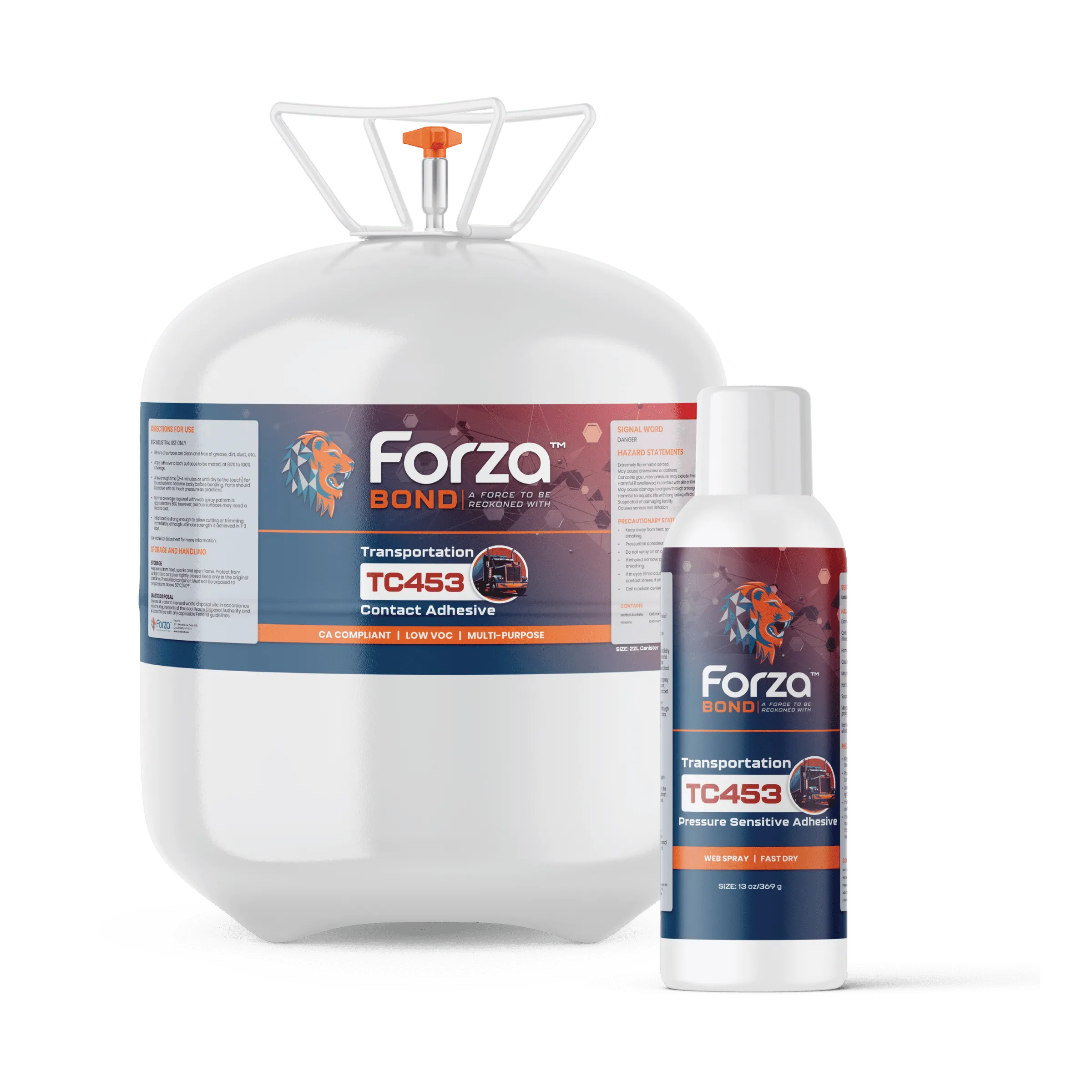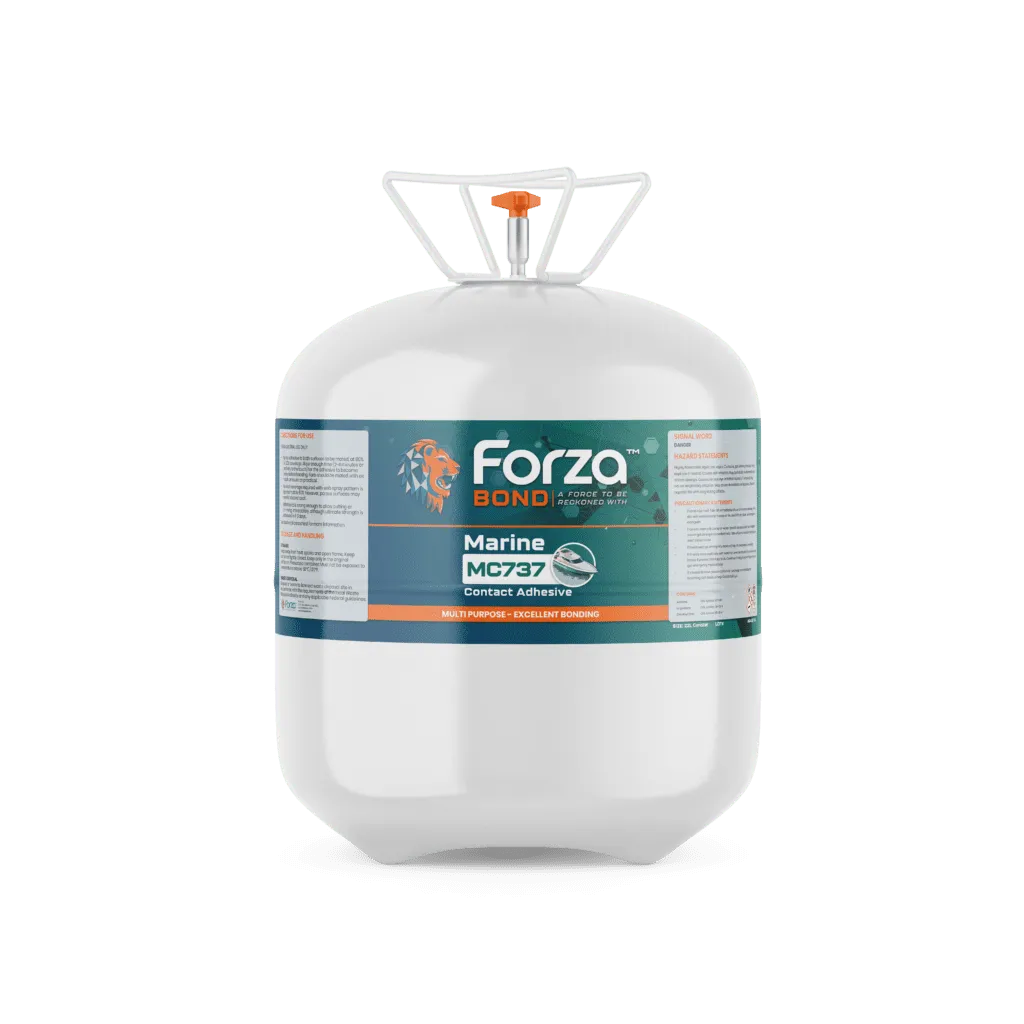
Choosing the right equipment and systems for adhesive application can significantly impact your operational efficiency and product quality. This comparison helps you make informed decisions.
Key Takeaways
- • Application Methods: Two primary approaches dominate the market
- • Operational Efficiency: Method choice impacts productivity
- • Cost-Effectiveness: Different systems offer varying cost benefits
System Overview
Understanding the different adhesive application systems available helps you choose the most appropriate solution for your specific needs and operational requirements.
System considerations include:
- Application volume and frequency
- Material compatibility requirements
- Environmental conditions
- Budget and resource constraints
Equipment Comparison
Comparing different equipment options helps identify the most suitable solution for your application requirements and operational constraints.
Comparison factors include:
- Initial investment costs
- Operational efficiency
- Maintenance requirements
- Long-term reliability
Operational Considerations
Operational considerations help ensure successful implementation and optimal performance of adhesive systems in industrial environments.
Considerations include:
- Environmental conditions
- Production volume requirements
- Quality control procedures
- Maintenance and support needs
Cost Analysis
Comprehensive cost analysis provides the financial justification for adopting modern adhesive solutions in industrial applications.
Cost factors include:
- Initial investment requirements
- Operational cost savings
- Maintenance and support costs
- Return on investment calculations
Maintenance Requirements
Understanding maintenance requirements ensures long-term reliability and optimal performance of adhesive application systems.
Maintenance needs include:
- Regular equipment cleaning
- Preventive maintenance schedules
- Component replacement planning
- Performance monitoring and adjustment
Selection Criteria
Clear selection criteria help identify the most appropriate adhesive system for specific applications and requirements.
Selection factors include:
- Application requirements
- Performance specifications
- Cost considerations
- Operational constraints
Conclusion
Understanding and implementing proper techniques for spray adhesive canisters vs. bulk centralized adhesive spray systems is essential for achieving optimal results in industrial applications. By following the guidelines and best practices outlined in this article, you can ensure consistent, reliable performance and maximize the benefits of modern adhesive solutions.
Recent Posts
Mastering Application: Best Practices for Using Contact Adhesives in Manufacturing
Jan 14, 2024
Strength and Durability Unveiled: Analyzing Contact Adhesives in Industrial Applications
Jan 9, 2024
Comparative Analysis: How Contact Adhesives Stand Up Against Traditional Glues in Weather Resistance
Jan 4, 2024
Unveiling the Potential: Advanced Projects You Can Tackle with Contact Adhesives
Dec 19, 2023
The Critical Role of Contact Adhesives in Industrial Success
Dec 14, 2023
BLOGS BY MONTH
Stay Updated
Get the latest insights, tips, and industry news delivered to your inbox.