What's the Difference Between a Contact Adhesive and a Pressure Sensitive Adhesive?
Key Takeaways
- Bond behavior: Contact adhesives form a strong, immediate bond once surfaces meet; pressure-sensitive adhesive guide stay tacky and bond under pressure, often with repositioning before final pressure.
- Strength vs. flexibility: Contact adhesives typically deliver higher immediate strength; PSAs trade some strength for ease of placement and adjustment.
- Choosing: Match the adhesive to permanence, speed, and whether you need adjustability—not a one-size-fits-all winner.
If you're comparing contact adhesives vs pressure sensitive adhesives (PSAs), you're likely trying to solve a practical problem:
- Do I need immediate strength or repositionability?
- Should this bond be permanent or adjustable?
- What's the fastest and most reliable way to assemble my materials?
While both adhesive types are widely used across manufacturing, construction, and fabrication, they behave very differently in application. Understanding those differences is key to choosing the right solution.
What Is a Contact Adhesive?
A contact adhesive is designed to create a strong, immediate bond between two surfaces once they are pressed together.
The process is simple:
- Apply adhesive to both surfaces
- Allow it to dry
- Bring the surfaces together under pressure
Once contact is made, the bond forms instantly—there's no repositioning.
Key Characteristics of Contact Adhesives
- Immediate bond strength (high initial tack)
- No clamping required
- Flexible bond that absorbs movement and vibration
- Designed for permanent bonding
This makes contact adhesives ideal for applications where speed, strength, and efficiency matter.
Common Applications
- Foam and upholstery bonding
- Laminates and panel bonding
- Insulation and acoustic materials
- Interior vehicle and trailer assemblies
Forza Contact Adhesive Options
Forza offers a range of contact adhesives designed for different environments and requirements:
- IC932 — Non-flammable, high-strength, industrial applications
- IC933 — Low VOC, compliant, versatile bonding
- IC946 — Fast-drying, aggressive tack
- 81-0389 — High heat neoprene adhesive
- C130 — High-temperature laminating adhesive
- MC741 — Multi-purpose marine bonding
Each of these is engineered for fast assembly and durable, flexible bonds across a wide range of substrates.
What Is a Pressure Sensitive Adhesive (PSA)?
A pressure sensitive adhesive bonds when pressure is applied—no drying or curing step required.
Unlike contact adhesives, PSAs remain tacky after application, allowing materials to be positioned and adjusted before final pressure is applied. Think of PSAs like industrial-grade tape or spray adhesives that stay "open" long enough to work with.
Key Characteristics of Pressure Sensitive Adhesives
- Bonds with pressure—no dry time required
- Allows repositioning before final bond
- Typically lower initial strength than contact adhesives
- Designed for convenience and adjustability
This makes PSAs ideal for applications where precision placement is important.
Common Applications
- Temporary positioning or fixturing
- Insulation and fabric placement
- Light assembly work
- Applications requiring adjustability
Forza Pressure Sensitive Adhesive Options
Forza offers high-performance PSA solutions including:
- IC934 — General-purpose pressure sensitive adhesive
- IC947 — Aggressive tack with extended working time
These products are designed for ease of use, flexibility in placement, and consistent bonding performance.
Key Differences Between Contact Adhesives and PSAs
While both adhesive types are used for bonding similar materials, their behavior during application is fundamentally different.
| Feature | Contact Adhesive | Pressure Sensitive Adhesive |
|---|---|---|
| Bond formation | Bonds instantly upon contact | Bonds when pressure is applied |
| Repositioning | No — permanent once bonded | Yes — adjustable before pressure |
| Application method | Apply to both surfaces, allow to tack | Apply and bond with pressure |
| Initial strength | High immediate strength | Moderate initial strength |
| Best for | Permanent, high-strength bonds | Placement, positioning, light bonding |
| Production speed | Very fast once prepped | Fast and flexible |
When Should You Use a Contact Adhesive?
Choose a contact adhesive when you need:
- A permanent bond
- Immediate strength after assembly
- High production efficiency
- A bond that can handle movement, vibration, or temperature changes
Contact adhesives are especially useful in manufacturing environments where speed and consistency are critical.
When Should You Use a Pressure Sensitive Adhesive?
Choose a PSA when you need:
- Repositionability during assembly
- Ease of use with minimal process steps
- Light-to-moderate bonding strength
- A solution for temporary or adjustable placement
PSAs are ideal for applications where precision placement matters more than immediate structural strength.
Which One Is Better?
Neither adhesive type is universally better—the right choice depends entirely on your application.
If you need speed, strength, and permanence, a contact adhesive is typically the better choice.
If you need flexibility during installation and easier handling, a pressure sensitive adhesive may be more appropriate.
In many workflows, both types are used together—PSAs for positioning, and contact adhesives for final bonding.
Need Help Choosing the Right Adhesive?
Every application is different, and selecting the wrong adhesive can lead to performance issues or production delays.
If you're deciding between a contact adhesive and a pressure sensitive adhesive—or evaluating which specific product is right for your materials and environment—the Forza team can help.
Contact Forza today to discuss your application and find the adhesive solution that will perform in your real-world conditions.
Products in this article
 IC932 - Non Flammable Non-Methylene Chloride Contact AdhesiveView product →
 IC933 - CA Compliant High Strength Contact AdhesiveView product →
 IC946 - CA Compliant Pressure-Sensitive AdhesiveView product →
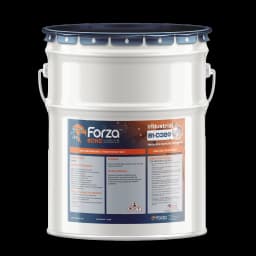 81-0389 - High Performance Neoprene Contact AdhesiveView product →
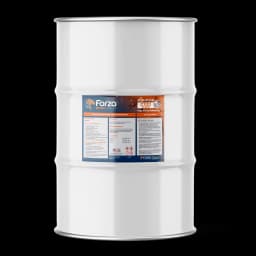 C130 - High Heat Neoprene AdhesiveView product →
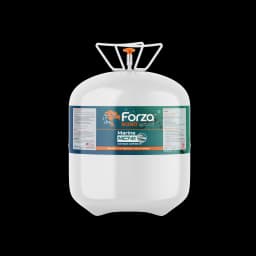 MC741 - CA COMPLIANT MULTI-PURPOSE CONTACT ADHESIVEView product →
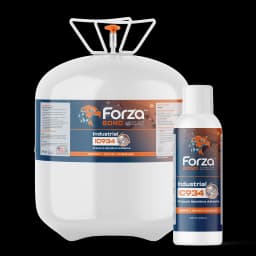 IC934 - Styrene Safe Pressure Sensitive Spray AdhesiveView product →
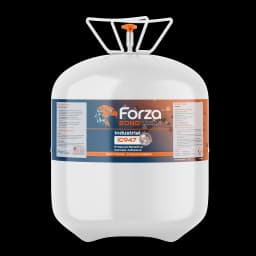 IC947 - High-Temp Styrene-Safe Pressure Sensitive AdhesiveView product →
Related Articles
View All articles
Recent Posts


Need Expert Advice
Our engineering team is ready to help you find the perfect adhesive solution for your application.
Contact an EngineerRecent News & Articles
Elevate Your Performance

Join Our Newsletter
Early access to new product launches and innovations
Exclusive industry insights and technical solutions
Expert tips and best practices for your applications
Follow Our LinkedIn
Stay informed with the latest industry insights & trends
Discover our latest product launches and innovations
Get expert tips and best practices for your applications