Hazardous vs Non-Hazardous Adhesives
Are the adhesives you’re using hazardous or non-hazardous?
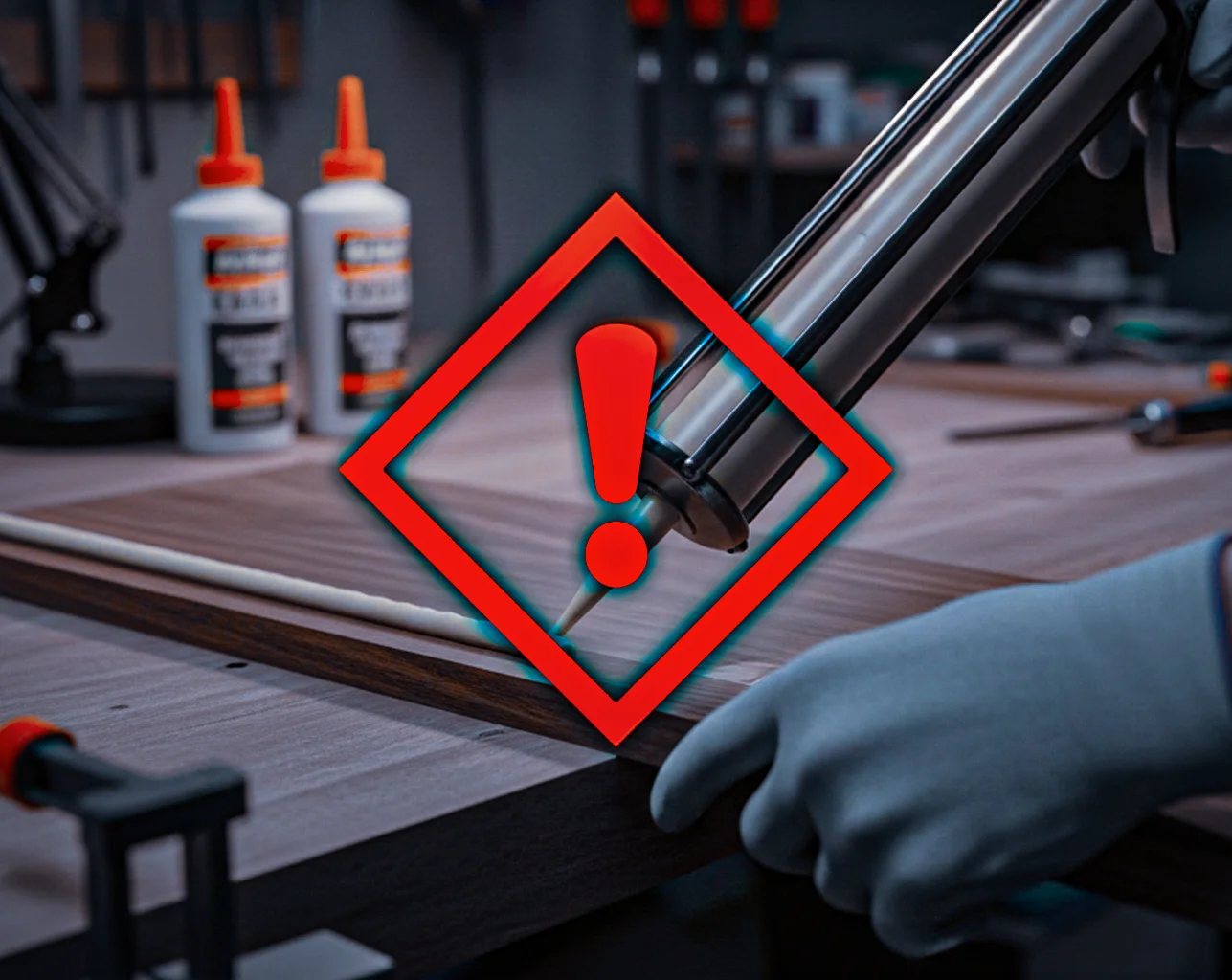
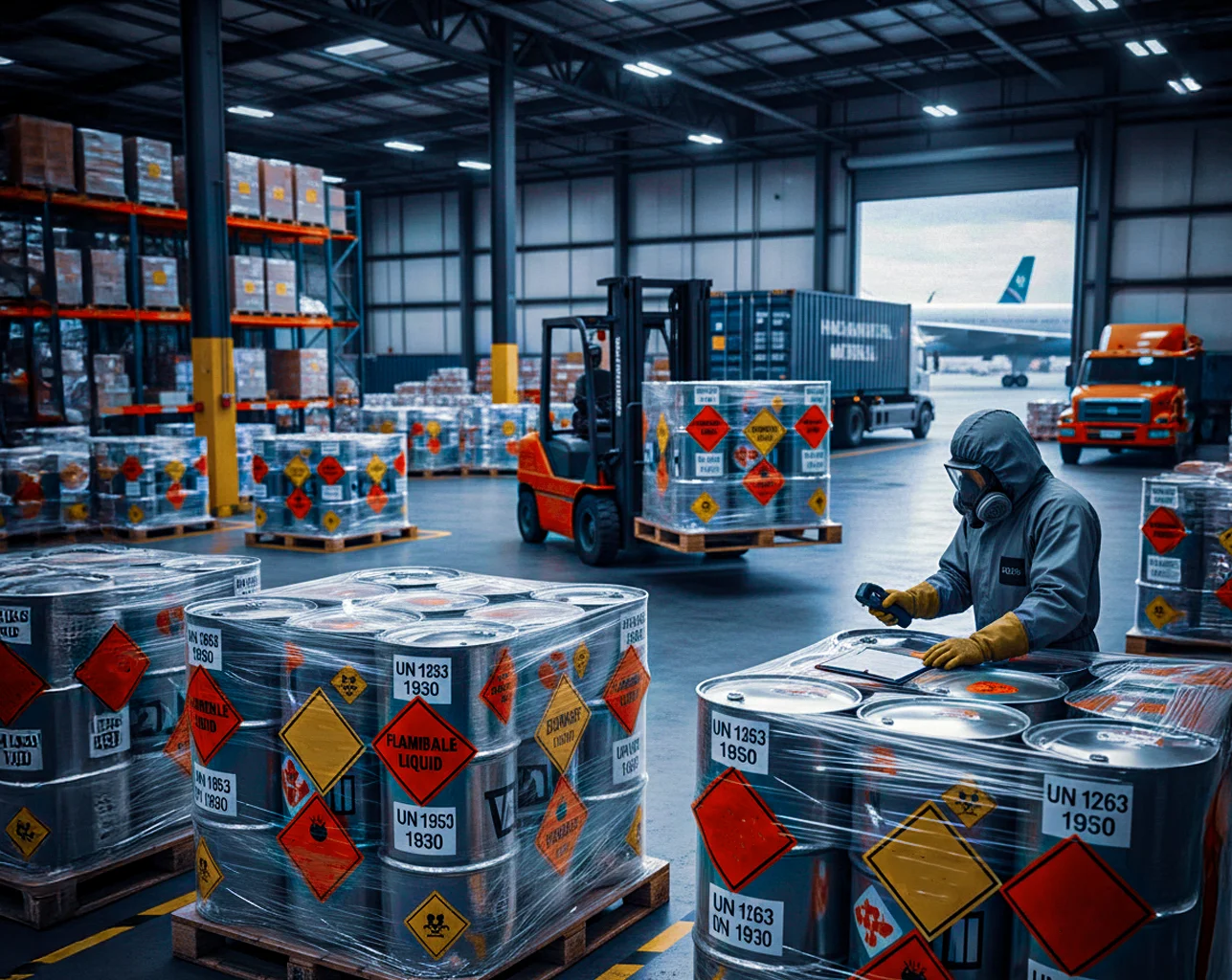
Hazardous adhesives are adhesives that contain at least one component that is harmful to users or to the environment.
Non-hazardous adhesives are adhesives that contain no harmful components.
However, the line between hazardous vs non-hazardous adhesives can be fairly blurred at times. Every type of adhesive has hazardous and non-hazardous versions – there are no adhesive types that are all hazardous or all non-hazardous. Some adhesives are considered “safe” yet actually do contain harmful components. Just because an adhesive is considered safe, doesn’t mean there aren’t any hazards associated with using it. And just because an adhesive is considered hazardous, doesn’t mean it’s actually unsafe to use – you just have to take the necessary precautions when using these adhesives. Bear in mind that most hazardous adhesives are only hazardous while being applied, or while curing or drying – and no longer present a hazard once cured or dried.
So what makes an adhesive hazardous? Generally, it’s the ingredients that classify an adhesive as hazardous, although it could also be the application method or the curing method.
We’ve created a list of common adhesive hazards, what they could cause, and the necessary precautions you should take to prevent adhesives from being a hazard.
- Strong odor – could cause headaches, nausea, dizziness and respiratory tract irritation.
- Ensure there is adequate ventilation.
- Use the correct PPE (Personal Protection Equipment).
- Contains HAPs – could cause serious health effects.
- Use a HAPs-free adhesive.
- Ensure there is adequate ventilation.
- Use the correct PPE (Personal Protection Equipment).
- High VOC content – could cause indoor air pollutants which could cause negative health effects, or adverse environmental effects.
- Use an adhesive with lower VOC content.
- Ensure there is adequate ventilation.
- Use the correct PPE (Personal Protection Equipment).
- Avoid discharge to the environment.
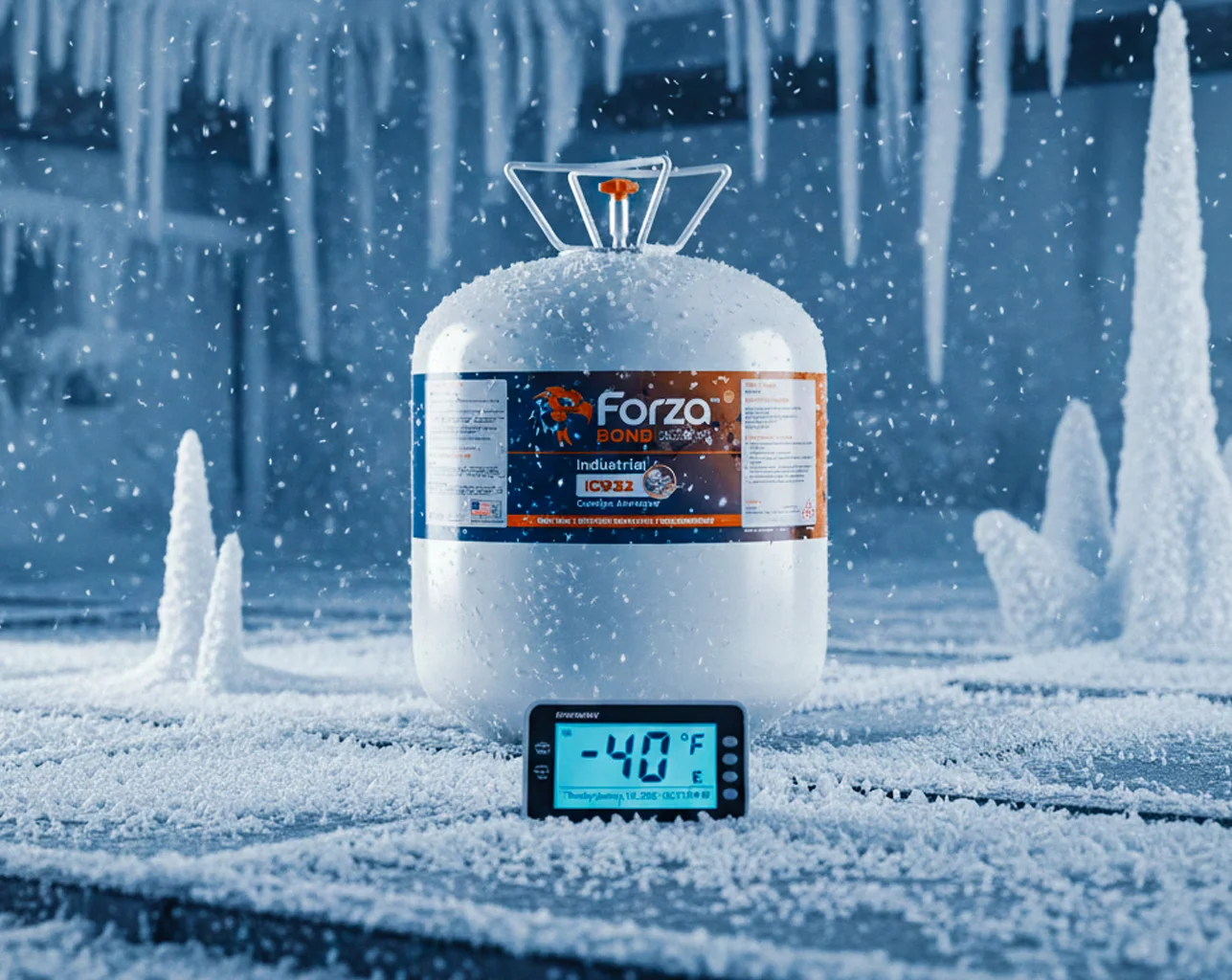
- Combustible/explosive – could explode from heat, sparks or flames.
- Keep away from sources of heat or ignition.
- Flammable – could ignite from heat, sparks or flames.
- Keep away from sources of heat or ignition.
- Corrosive/skin irritant – could cause skin irritation, burns or corrosion.
- Use the correct PPE (Personal Protection Equipment).
- Harmful vapors – vapors could cause hallucination, skin or eye irritation/damage, or lung and other respiratory system irritation.
- Ensure there is adequate ventilation.
- Use the correct PPE (Personal Protection Equipment).
- Toxic – could cause serious health effects or even fatality if ingested.
- Do not ingest.
- Use the correct PPE (Personal Protection Equipment).
- Carcinogen/suspected carcinogen – could cause cancer.
- There may not be significant amounts to be a hazard, so check for sure that there is actually a cause for concern.
- Use an adhesive without carcinogenic ingredients.
- Ensure there is adequate ventilation.
- Use the correct PPE (Personal Protection Equipment).
- Excess overspray – high air emissions could be inhaled or ingestion, which could cause skin, eye or respiratory irritation, or more serious health effects.
- Use an adhesive that doesn’t enable excessive overspray.
- Ensure there is adequate ventilation.
- Use the correct PPE (Personal Protection Equipment).
- Instant bond strength – could bond to skin.
- Use the correct PPE (Personal Protection Equipment).
- Requires UV radiation to cure – exposure to ultraviolet radiation could cause skin or eye irritation/damage or more serious health effects such as cancer.
- Use the correct PPE (Personal Protection Equipment), including eye protection.
In summary, most hazards can be avoided by taking the correct precautions. Get familiar with the adhesive and any hazards associated with the it before use, and always follow the guidance on the product label. Keep container lids tightly closed when not in use, and store in a secure and well-ventilated area away from sources of heat. Refrain from eating, drinking or smoking in the workplace, and ensure that all hygiene regulations and safety precautions are adhered to. Ensure users undergo regular training on matters relating to work safety and environmental protection.
Looking to totally avoid exposure to the hazards associated with using adhesives? Maybe automation and adhesives is right for you!
Not sure if your adhesives are the best fit for your applications? Contact us, and let us know your application, the substrates you’re bonding, and the adhesives you’re currently using – we would be happy to provide our recommendations!