Surface Preparation for Industrial Adhesives: The Step That’s Causing Your Bond Failures
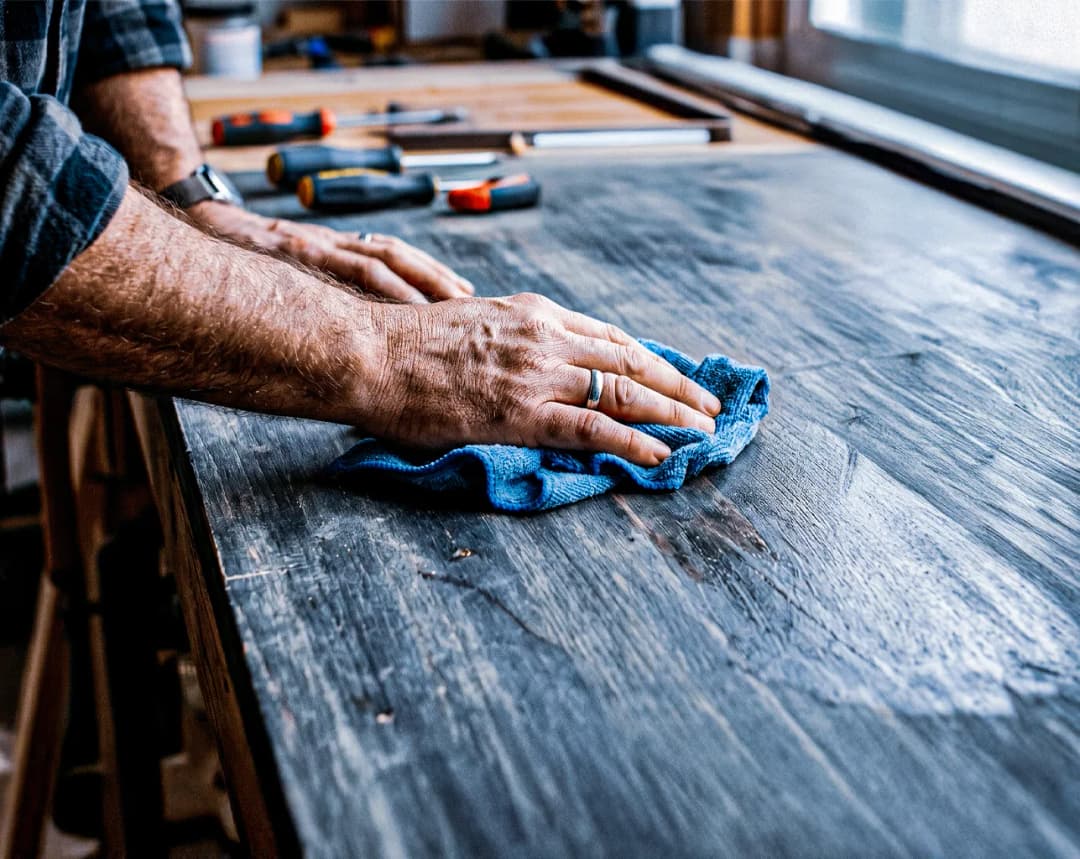
In industrial adhesive bonding, most failures are not caused by the adhesive itself; they’re caused by poor surface preparation.
Nearly every technical resource on adhesive bonding acknowledges this. Yet few provide clear, actionable guidance on how to properly prepare a surface in a real production environment.
For production engineers, plant managers, and floor supervisors, that gap matters. When a bond fails, the issue is rarely theoretical. It’s immediate, costly, and disruptive.
This guide breaks down how to properly approach surface preparation for industrial adhesives, what commonly goes wrong, and how to correct it in real-world manufacturing conditions.
Why Surface Preparation Matters in Adhesive Bonding
Forza bonding adhesives do not “stick” in the way many assume. They rely on:
- Surface energy
- Mechanical interlocking
- Chemical interaction with the substrate
If the surface is contaminated, oxidized, or inconsistent, even the highest-performing adhesive will fail.
This is why surface preparation is the most critical step in industrial adhesive bonding, and the most commonly overlooked.
The Most Common Surface Preparation Failures
Across industrial manufacturing environments, bond failures tend to come back to a few repeat issues:
1. Residual Oils and Contamination
Machining oils, fingerprints, and shop contaminants create a barrier between the adhesive and the substrate.
Common mistake: Assuming the surface is “clean enough”
Reality: Even thin, invisible films can significantly reduce adhesion
2. Inconsistent Cleaning Methods
On many production floors:
- One operator wipes with solvent
- Another skips the step entirely
- A third uses a contaminated rag
This inconsistency leads to variable bond strength and unpredictable failures
3. Oxidation (Especially on Metals)
Metals such as aluminum form oxide layers rapidly.
These layers:
- Are weakly bonded to the base material
- Can compromise adhesion if not addressed properly
4. Low Surface Energy Materials
Plastics and coated surfaces often resist bonding.
Without proper treatment adhesives may not wet out the surface or bond strength could be significantly reduced.
5. Delays Between Prep and Bonding
Even properly prepared surfaces degrade over time.
Exposure to air, dust, and humidity can undo preparation work within hours.
How to Properly Prepare a Surface for Adhesive Bonding
Effective surface preparation for industrial adhesives does not need to be complicated, but it must be consistent.
Step 1: Clean the Surface
Remove oils, grease, dust, and processing residues by using clean, lint-free wipes, avoiding reusing contaminated cloths, and wiping in a single direction to prevent redepositing contaminates.
Step 2: Activate or Promote Adhesion
For many substrates, especially metals, plastics, and painted surfaces, cleaning alone is not enough.
This is where adhesion promoters or surface activators come into play.
Products like ForzaBOND® OSA are designed to:
- Reduce grease and oils
- Promote adhesion to difficult substrates
- Improve bond reliability across metals, plastics, and coated surfaces
Applied as a simple wipe-on solution, OSA:
- Dries quickly (typically within minutes)
- Leaves a treated surface ready for bonding
- Provides an effective window for bonding (up to approximately 3 hours)
This step is often the difference between a bond that performs consistently and a bond that fails intermittently under load.
Step 3: Control the Surface Condition
Ensure:
- The surface is dry
- No new contaminants are introduced
- The substrate is not handled excessively before bonding
Even minor recontamination can compromise results.
Step 4: Bond Within the Proper Time Window
Surface preparation is not permanent.
For example, when using a surface activator like OSA, bonding should occur within the specified open time (up to ~3 hours)
Delays beyond this window may require re-preparation.
When Surface Preparation Requires More Than Cleaning
In some industrial adhesive applications, additional steps may be required:
- Abrasion to increase surface area
- Primers for difficult substrates
- Chemical treatments for specialized materials
However, in many production environments, a well-executed cleaning and activation process provides the most practical balance between performance and efficiency.
Why Surface Prep Fails on the Production Floor
Even when teams understand the importance of surface prep, execution often breaks down due to:
- Time pressure in production
- Lack of standardized procedures
- Inconsistent materials or tools
- Insufficient training
This is why the most effective solutions are simple, repeatable, and easy to verify.
A wipe-on surface activator system, for example, reduces variability compared to multi-step processes.
How to Improve Surface Preparation in Industrial Manufacturing
For teams looking to reduce adhesive bond failures, focus on:
Standardization
Define a repeatable process for cleaning, activation, and bonding timing.
Training
Ensure operators understand:
- Why each step matters
- What failure looks like
- How to identify contamination
Material Selection
Use products designed for your specific substrates, production environments, and required cycle times.
Process Control
Monitor the time between prep and bonding, environmental conditions and consistency across shifts.
Where Products Like OSA Fit
Surface activators such as ForzaBOND® OSA are designed to simplify and standardize surface preparation in industrial adhesive applications.
They are particularly effective for:
- Painted surfaces
- Bare metals
- Plastics and difficult-to-bond substrates
Because OSA:
- Is easy to apply (wipe-on format)
- Dries quickly
- Reduces contamination risk
It helps bridge the gap between ideal lab conditions and real-world production environments.
Conclusion
Surface preparation is not a secondary step in adhesive bonding. It is the foundation of bond performance.
In industrial manufacturing, where consistency and reliability are critical, even small variations in preparation can lead to significant failures.
By focusing on proper cleaning, effective adhesion promotion, and consistent process control, teams can dramatically improve bond strength and reduce failure rates.
If you're experiencing inconsistent bond performance, the issue is often not the adhesive, it’s the surface.
Whether you're working with metals, plastics, or coated substrates, our team can help you evaluate your current process and recommend solutions to improve adhesion and reliability.
Request free surface prep samples for your substrate and application
FAQs
What is the most important step in adhesive bonding?
Surface preparation is the most critical step. Even high-performance adhesives will fail if applied to contaminated or improperly prepared surfaces.
How do you prepare a surface for adhesive bonding?
At a minimum: • Clean the surface thoroughly • Apply an adhesion promoter if needed • Bond within the appropriate time window
Do all materials require a primer or adhesion promoter?
Not all, but many do. Metals, plastics, and coated surfaces often benefit from an adhesion promoter to improve bond reliability.
Why do industrial adhesive bonds fail?
The most common cause is poor surface preparation, including contamination, oxidation, or inconsistent cleaning processes.
Related Articles
View All articles
Recent Posts

Need Expert Advice
Our engineering team is ready to help you find the perfect adhesive solution for your application.
Contact an EngineerRecent News & Articles
Elevate Your Performance

Join Our Newsletter
Early access to new product launches and innovations
Exclusive industry insights and technical solutions
Expert tips and best practices for your applications
Follow Our LinkedIn
Stay informed with the latest industry insights & trends
Discover our latest product launches and innovations
Get expert tips and best practices for your applications