
Solvent-Based Contact Adhesives
Chemistry Overview
Forza solvent-based adhesives deliver fast tack, deep penetration, and strong initial grab on porous and difficult substrates.
Solvent-based adhesives use organic solvents as carriers to deliver polymer concentration at the bond line. As solvents flash off, the system develops rapid tack and strong bonding, especially on porous materials.
Production Challenges We Help Solve
- Bonding porous or flexible materials where water-based systems provide insufficient tack.
- Contact-bond assemblies where both surfaces are coated and flashed before mating.
- Applications requiring high initial green strength before full cure.
- Cold-temperature application where water-based systems can perform poorly.
Typical Use Cases
Performance Snapshot
| Performance Factor | Typical Range |
|---|---|
| Chemistry | Polychloroprene, SBR, polyurethane, or acrylic in solvent |
| Solvent Type | Ketone, ester, or aliphatic hydrocarbon blends |
| Application Method | Brush, roller, spray, or bead |
| Flash Time | 3-15 minutes based on formulation and humidity |
| Substrate Range | Rubber, foam, leather, cork, wood, metal |
| Bond Type | Contact bond or one-sided application grades available |
Talk to a Forza Applications Engineer
Need immediate grab and deep penetration? Forza solvent adhesives are engineered for your substrate and application method.
Recommended Solvent-Based Adhesives Products
Explore products commonly used when this chemistry is the right fit.
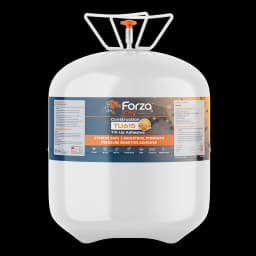
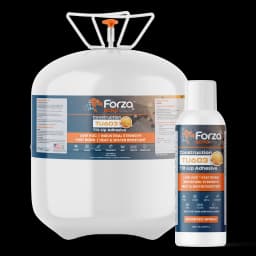
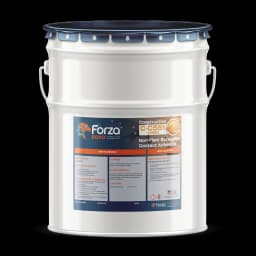
Elevate Your Performance

Join Our Newsletter
Early access to new product launches and innovations
Exclusive industry insights and technical solutions
Expert tips and best practices for your applications
Follow Our LinkedIn
Stay informed with the latest industry insights & trends
Discover our latest product launches and innovations
Get expert tips and best practices for your applications