Acrylic vs Rubber Adhesive Tapes: Choosing the Right Solution for Industrial Applications
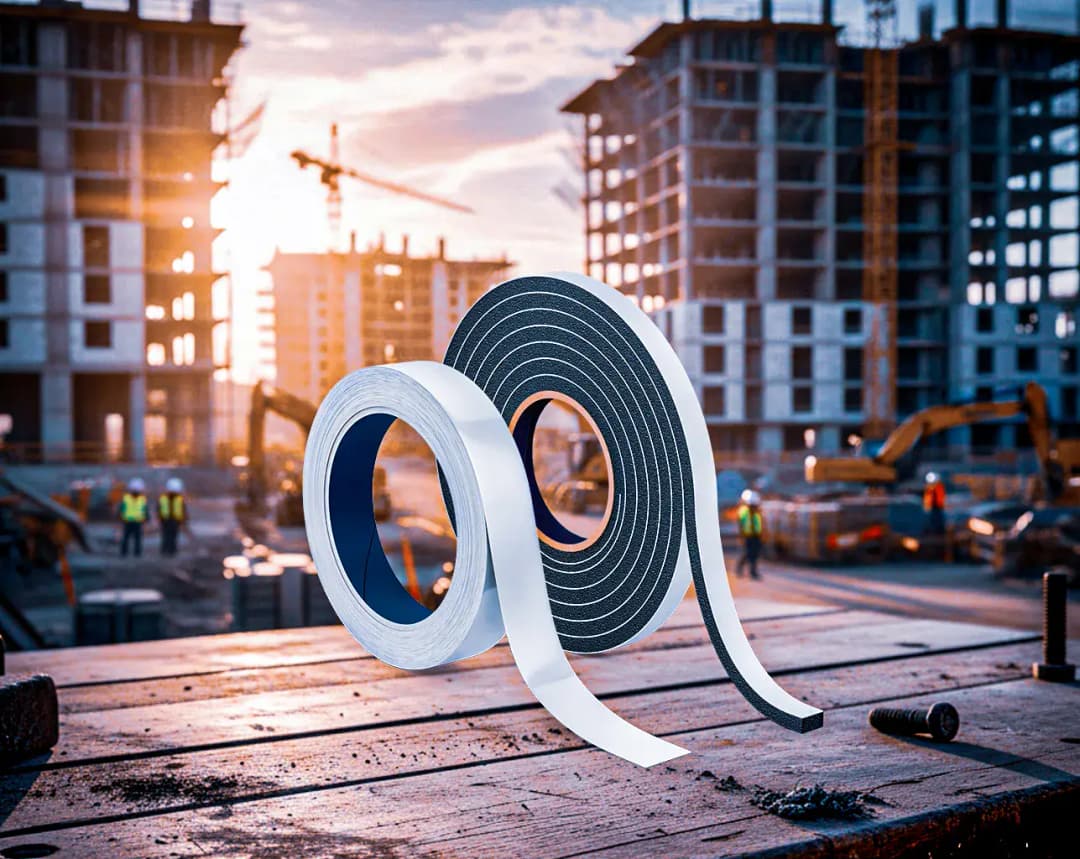
When selecting an adhesive tape for industrial bonding applications, engineers typically evaluate two major adhesive technologies: acrylic-based tapes and rubber-based tapes. Each offers unique performance characteristics that make them suitable for different environments, substrates, and durability requirements.
While rubber-based tapes often provide strong initial tack and lower upfront cost, acrylic adhesive tapes deliver superior long-term performance, environmental resistance, and structural reliability. For manufacturers seeking durable bonding solutions, acrylic foam tapes have become a preferred alternative to mechanical fasteners and traditional adhesives.
Understanding the differences between these adhesive systems is critical for selecting the right solution for your application.
Acrylic vs Rubber Adhesive Tapes: Key Differences
Acrylic Adhesive Tapes
Acrylic adhesive tapes are engineered for long-term durability and environmental stability. They perform well in extreme temperatures and resist degradation from UV exposure, moisture, and chemicals.
These tapes are commonly used in demanding industrial environments where reliability over time is critical.
Typical advantages include:
- Excellent temperature resistance
- Strong UV and weather resistance
- High chemical and solvent resistance
- Long-term bond durability
- Strong adhesion to metals, glass, and coated surfaces
Because of these properties, acrylic tapes are often used for structural bonding, panel attachment, automotive components, and exterior applications.
These tapes are particularly effective when bonding materials exposed to outdoor environments or thermal cycling.
Rubber Adhesive Tapes
Rubber-based tapes offer a different performance profile.
They typically provide:
- Very strong initial tack
- Faster wet-out on some low-energy plastics
- Lower cost
However, rubber adhesives generally have limited resistance to heat, UV exposure, solvents, and moisture, making them more suitable for temporary or indoor applications.
Over time, rubber adhesives can degrade in outdoor environments, which can reduce bond strength and durability.
Because of this, many manufacturers are transitioning toward acrylic foam tapes for structural and long-life applications.
Why Acrylic Foam Tapes Are Replacing Mechanical Fasteners
In many modern assemblies, acrylic foam tapes are replacing rivets, screws, and welds.
Unlike mechanical fasteners that concentrate stress at individual points, acrylic foam tapes create a continuous bond line across the entire surface area. This distributes loads more evenly and improves durability under vibration or thermal expansion.
Acrylic foam tapes also provide additional benefits:
- Cleaner exterior appearance
- Reduced assembly time
- Elimination of drilling or welding
- Vibration damping
- Corrosion prevention from drilled holes
These advantages have made acrylic foam tapes a popular solution across industries including transportation, construction, appliances, and electronics.
Spotlight: ForzaTAPE™ T215 Acrylic Foam Tape
One example of a high-performance acrylic bonding solution is ForzaTAPE™ T215, a double-coated acrylic foam tape designed for demanding industrial bonding applications.
T215 incorporates a soft, high-tack acrylic adhesive system that bonds effectively to both smooth and textured substrates. The tape uses a viscoelastic acrylic foam core that allows it to absorb vibration, distribute stress, and accommodate thermal expansion between bonded materials.
Key performance characteristics include:
- 0.045 in thickness
- 90° peel adhesion: ~25 lb/in on stainless steel
- Dynamic shear strength: ~70 lb/in² (480 kPa)
- Operating temperatures from ~104°F to 300°F
- Short-term temperature resistance up to ~392°F
- Excellent resistance to solvents, plasticizers, and moisture
The tape’s closed-cell acrylic foam structure also provides vibration damping and environmental sealing while maintaining strong adhesion in indoor and outdoor conditions.
Real-World Application Example: Replacing Mechanical Fasteners
A manufacturer of heavy-duty transportation equipment was looking to improve both the appearance and assembly efficiency of its trailers.
The company traditionally attached large aluminum exterior panels using rows of mechanical fasteners. While effective structurally, this method created several challenges:
- Visible fastener lines across exterior panels
- Labor-intensive installation process
- Stress concentrations around drilled holes
- Potential fatigue from vibration during transport
Engineers evaluated several alternatives, including liquid structural adhesives, before selecting ForzaTAPE™ T215 acrylic foam tape.
The Solution
Using T215 allowed the manufacturer to replace rows of fasteners with a continuous bonding system.
The acrylic foam core helped:
- Distribute stress across the full bond area
- Absorb vibration during transportation
- Conform to minor surface variations
- Simplify installation
The installation process was reduced to a peel-position-press application, eliminating drilling and hardware installation.
Results Achieved
After implementing acrylic foam tape bonding, the manufacturer experienced several improvements:
Cleaner Product Appearance - The elimination of mechanical fasteners created a smooth exterior surface without visible puncture points.
Faster Assembly Time - Installation became significantly faster since technicians no longer needed to drill holes and install hardware.
Improved Durability - The viscoelastic foam structure helped absorb vibration and mechanical stress during operation.
Better Load Distribution - Stress was distributed across the bonded area instead of concentrated at fastener locations.
When to Choose Acrylic vs Rubber Adhesive Tape
Choosing the right adhesive tape depends on your application requirements.
Choose Acrylic Tape When:
- Long-term durability is required
- The application is exposed to outdoor conditions
- Temperature resistance is important
- Structural bonding strength is needed
- Vibration resistance is required
Choose Rubber Tape When:
- Strong initial tack is the primary requirement
- The application is temporary
- Indoor conditions are controlled
- Cost is the primary factor
For many modern industrial applications, acrylic foam tapes provide the best balance of durability, strength, and long-term performance.
Finding the Right Tape for Your Application
Selecting the correct adhesive system depends on multiple factors, including:
- Substrate materials
- Environmental exposure
- Mechanical stress
- Temperature requirements
- Production process considerations
Modern acrylic foam tapes like ForzaTAPE™ T215 allow manufacturers to simplify assembly, improve product aesthetics, and eliminate mechanical fasteners in many applications.
If you’re evaluating bonding solutions for your application, the right adhesive technology can significantly improve both product performance and manufacturing efficiency.
Talk With a Tape Specialist
If you’re exploring acrylic foam tape solutions or looking to replace mechanical fasteners in your design, our engineering team can help evaluate the right bonding system for your application.
Contact Forza to learn more about our full line of high-performance industrial adhesive tapes.

Related Articles
View All articles
Recent Posts

Need Expert Advice
Our engineering team is ready to help you find the perfect adhesive solution for your application.
Contact an EngineerRecent News & Articles
Elevate Your Performance

Join Our Newsletter
Early access to new product launches and innovations
Exclusive industry insights and technical solutions
Expert tips and best practices for your applications
Follow Our LinkedIn
Stay informed with the latest industry insights & trends
Discover our latest product launches and innovations
Get expert tips and best practices for your applications