EPA Is Phasing Out Methylene Chloride in Industrial Adhesives: What You Need to Know and Do
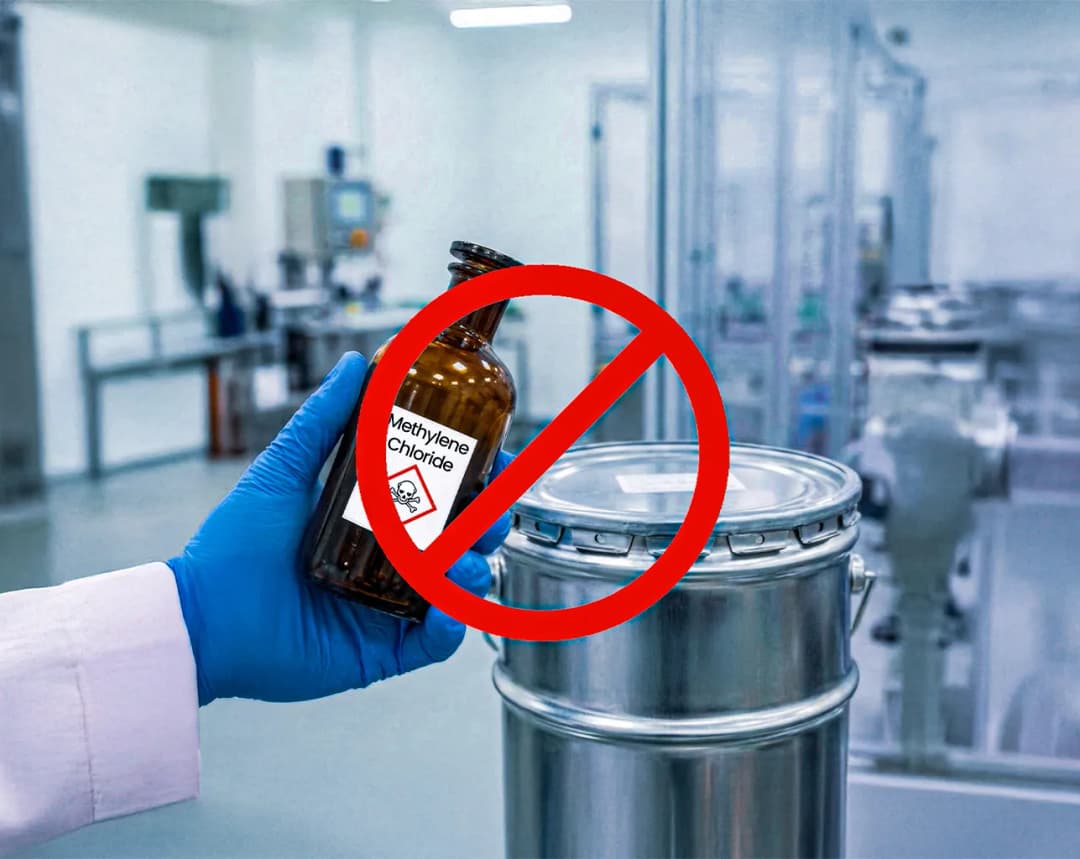
Understanding the EPA’s Methylene Chloride Phase-Out
Methylene chloride, a powerful solvent commonly used in industrial adhesives, is now facing strict regulatory action from the Environmental Protection Agency (EPA) due to its serious health and environmental risks. The new ruling, part of the agency’s ongoing effort to eliminate hazardous chemicals, will restrict and phase out its use in many industrial applications, including adhesives and coatings.
This shift has significant implications for industries that rely on methylene chloride-based adhesives for their bonding strength, fast curing times, and material versatility. To stay ahead of these changes, businesses must understand the regulation, explore alternative adhesive technologies, and ensure compliance.
Why Is Methylene Chloride Being Phased Out?
Methylene chloride (also known as dichloromethane) has been widely used in industrial adhesive manufacturing due to its fast-evaporating nature and strong solvent properties. However, growing research has linked it to serious health risks, including:
- Acute toxicity leading to dizziness, nausea, and even fatal exposure in poorly ventilated spaces.
- Long-term health concerns such as liver damage, neurological impairment, and an increased risk of cancer.
- Environmental impact, including air pollution and groundwater contamination.
As a result, the EPA has taken action under the Toxic Substances Control Act (TSCA) to ban most uses of methylene chloride in consumer and many industrial applications.
Why Is Methylene Chloride Being Phased Out?
Methylene chloride (also known as dichloromethane) has been widely used in industrial adhesive manufacturing due to its fast-evaporating nature and strong solvent properties. However, growing research has linked it to serious health risks, including:
- Acute toxicity leading to dizziness, nausea, and even fatal exposure in poorly ventilated spaces.
- Long-term health concerns such as liver damage, neurological impairment, and an increased risk of cancer.
- Environmental impact, including air pollution and groundwater contamination.
As a result, the EPA has taken action under the Toxic Substances Control Act (TSCA) to ban most uses of methylene chloride in consumer and many industrial applications.
Why Is Methylene Chloride Being Phased Out?
Methylene chloride (also known as dichloromethane) has been widely used in industrial adhesive manufacturing due to its fast-evaporating nature and strong solvent properties. However, growing research has linked it to serious health risks, including:
- Acute toxicity leading to dizziness, nausea, and even fatal exposure in poorly ventilated spaces.
- Long-term health concerns such as liver damage, neurological impairment, and an increased risk of cancer.
- Environmental impact, including air pollution and groundwater contamination.
As a result, the EPA has taken action under the Toxic Substances Control Act (TSCA) to ban most uses of methylene chloride in consumer and many industrial applications.
</div></body></html>
FAQs
Why Is Methylene Chloride Being Phased Out?
Methylene chloride (also known as dichloromethane) has been widely used in industrial adhesive manufacturing due to its fast-evaporating nature and strong solvent properties. However, growing research has linked it to serious health risks, including: Acute toxicity leading to dizziness, nausea, and even fatal exposure in poorly ventilated spaces. Long-term health concerns such as liver damage, neurological impairment, and an increased risk of cancer. Environmental impact, including air pollution and groundwater contamination. As a result, the EPA has taken action under the Toxic Substances Control Act (TSCA) to ban most uses of methylene chloride in consumer and many industrial applications.
Why Is Methylene Chloride Being Phased Out?
Methylene chloride (also known as dichloromethane) has been widely used in industrial adhesive manufacturing due to its fast-evaporating nature and strong solvent properties. However, growing research has linked it to serious health risks, including: Acute toxicity leading to dizziness, nausea, and even fatal exposure in poorly ventilated spaces. Long-term health concerns such as liver damage, neurological impairment, and an increased risk of cancer. Environmental impact, including air pollution and groundwater contamination. As a result, the EPA has taken action under the Toxic Substances Control Act (TSCA) to ban most uses of methylene chloride in consumer and many industrial applications.
Why Is Methylene Chloride Being Phased Out?
Methylene chloride (also known as dichloromethane) has been widely used in industrial adhesive manufacturing due to its fast-evaporating nature and strong solvent properties. However, growing research has linked it to serious health risks, including: Acute toxicity leading to dizziness, nausea, and even fatal exposure in poorly ventilated spaces. Long-term health concerns such as liver damage, neurological impairment, and an increased risk of cancer. Environmental impact, including air pollution and groundwater contamination. As a result, the EPA has taken action under the Toxic Substances Control Act (TSCA) to ban most uses of methylene chloride in consumer and many industrial applications.
Why Is Methylene Chloride Being Phased Out?
Methylene chloride (also known as dichloromethane) has been widely used in industrial adhesive manufacturing due to its fast-evaporating nature and strong solvent properties. However, growing research has linked it to serious health risks, including: Acute toxicity leading to dizziness, nausea, and even fatal exposure in poorly ventilated spaces. Long-term health concerns such as liver damage, neurological impairment, and an increased risk of cancer. Environmental impact, including air pollution and groundwater contamination. As a result, the EPA has taken action under the Toxic Substances Control Act (TSCA) to ban most uses of methylene chloride in consumer and many industrial applications.
Related Forza products




Related Articles
View All articles

Recent Posts



Need Expert Advice
Our engineering team is ready to help you find the perfect adhesive solution for your application.
Contact an EngineerRecent News & Articles
Elevate Your Performance

Join Our Newsletter
Early access to new product launches and innovations
Exclusive industry insights and technical solutions
Expert tips and best practices for your applications
Follow Our LinkedIn
Stay informed with the latest industry insights & trends
Discover our latest product launches and innovations
Get expert tips and best practices for your applications